

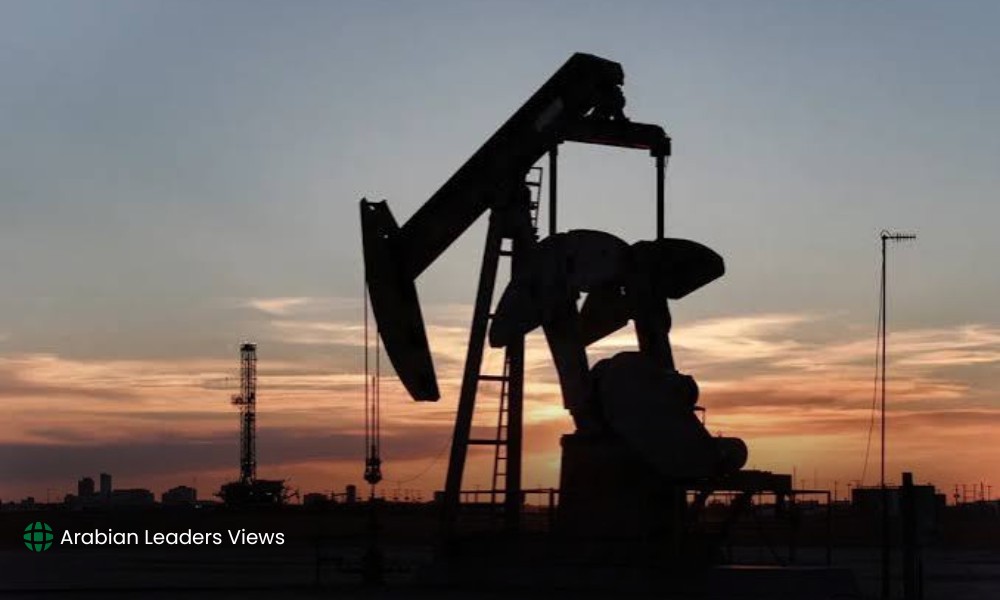
Oil prices eased on Thursday as investors assessed the global supply outlook and ongoing tensions in the Middle East. Market participants are watching developments in oil shipping, government policies, and crude inventories to understand whether supplies will improve or face further disruption.
Although prices moved lower, uncertainty remains in the energy market. Concerns about shipping security and the movement of crude oil through key international routes continue to influence trading decisions.
Why Are Oil Prices Falling?
Oil prices have come under pressure as investors consider whether changes to shipping restrictions could make it easier for crude oil to reach international buyers. More flexible shipping arrangements could improve the movement of oil, reduce transportation costs, and ease some concerns about supply availability.
However, the impact will depend on the policies ultimately adopted and how quickly oil shipments respond. Traders are therefore cautious about assuming that supply conditions will improve immediately.
Oil markets often react quickly to changes in expected supply. When investors believe more oil could become available, prices may decline. When supplies appear vulnerable, prices can move higher.
Middle East Tensions Keep Markets on Alert
The Middle East remains an important factor in the global oil market because the region is a major source of crude oil exports. Any disruption to production or transportation can affect the availability of energy supplies worldwide.
The Strait of Hormuz is particularly important because large volumes of oil move through this narrow waterway. Security concerns involving commercial vessels have raised questions about the reliability of shipping routes and the potential for delays.
If disruptions continue, shipping companies could face higher insurance premiums and operating costs. These additional expenses may eventually affect oil prices and the cost of fuel in international markets.
U.S. Oil Inventories Influence Investor Sentiment
Oil inventory levels in the United States are another factor investors monitor closely. Changes in stored crude oil can provide useful information about supply, imports, refinery demand, and consumption.
A decline in inventories may indicate that more oil is being used or that less crude is entering storage. Meanwhile, rising inventories can suggest that supplies are increasing faster than demand.
However, inventory movements alone do not determine the direction of oil prices. Traders also consider production levels, refinery operations, economic activity, and expectations for future energy demand.
Official inventory reports can therefore influence market sentiment, particularly when the results differ from expectations.
What Could Happen to Oil Prices Next?
The near-term direction of oil prices will depend on several developments, including Middle East security conditions, shipping policies, crude production, and inventory data.
If transportation routes remain accessible and supplies improve, prices could experience further downward pressure. Conversely, serious disruptions to major shipping routes or oil production could lead to renewed price increases.
Changes in global economic activity also matter. Stronger industrial production and transportation demand can increase oil consumption, while slower economic growth may reduce demand for energy.
Businesses that depend heavily on fuel, including airlines, logistics companies, and manufacturers, will continue to monitor these developments because changes in oil prices can affect operating costs.
Global Oil Market Outlook
The recent easing in oil prices reflects uncertainty about future supply rather than a complete resolution of market risks. Investors are balancing the possibility of improved oil availability against continuing concerns about regional security and transportation.
As new information becomes available, oil prices may continue to fluctuate. For businesses, governments, and consumers, the key factors to watch will be reliable supply, secure shipping routes, and the balance between global energy demand and production.
Arabian Leaders Views Magazine showcases the inspiring journeys of visionary leaders, entrepreneurs, and industry pioneers across the Arab world.