
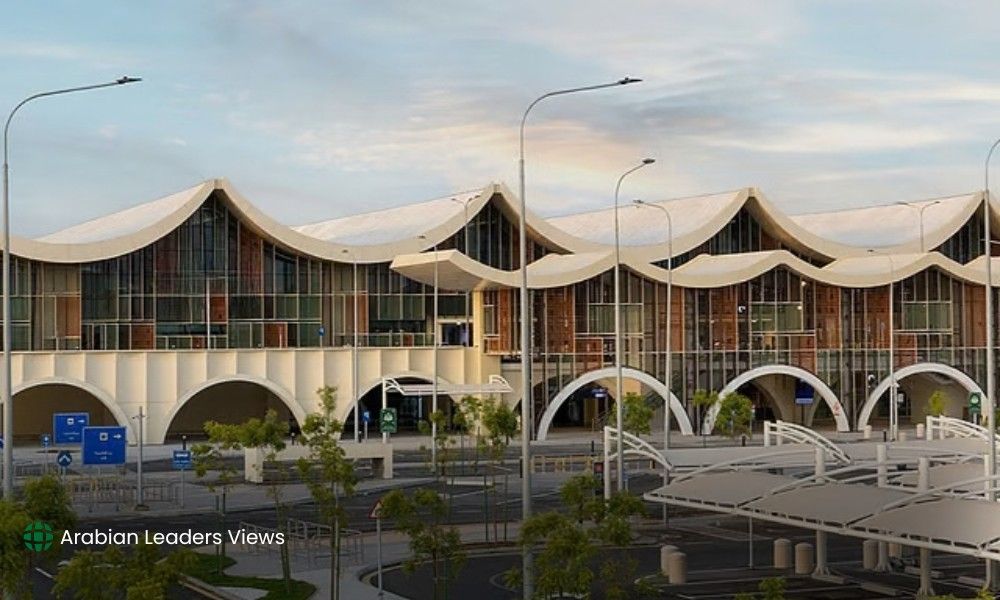
Jeddah is entering a new phase of air travel with the reopening of Terminal 4 at King Abdulaziz International Airport. The redeveloped facility began phased operations on September 27, 2026, adding capacity for up to 15 million passengers a year as Saudi Arabia prepares for continued growth in international travel.
What Is New at Jeddah Airport Terminal 4?
Terminal 4 is the redeveloped former South Terminal and covers around 97,000 square meters. It has been redesigned with modern passenger facilities, advanced operational systems, and improved processing areas.
The terminal is dedicated mainly to international low-cost carriers and is designed to make passenger movement more efficient. It includes 62 check-in counters, 66 passport-control counters, modern baggage-handling systems, and premium lounges.
A Major Step for Passenger Capacity
The reopening comes as Jeddah continues to experience strong demand for air travel. King Abdulaziz International Airport handled a record 53.4 million passengers in 2025, making additional capacity increasingly important for the Kingdom’s aviation sector.
Terminal 4’s 15-million-passenger annual capacity gives the airport additional room to manage international traffic while improving the distribution of passengers across its facilities.
Which Airlines Are Moving to Terminal 4?
Operations are being introduced gradually rather than moving every airline at once. Wizz Air, AJet, and SalamAir were among the first carriers transferred to the terminal.
Other airlines followed under the approved transition plan, including Fly Jinnah, Nesma Airlines, Akasa Air, SyrianAir, Pegasus, Azerbaijan Airlines, and Tunisair. Travelers have been advised to confirm their departure terminal with their airline before arriving at the airport.
Jeddah Airport Terminal 1 and Terminal 2 Explained
Travellers searching for Jeddah airport terminal 1 new or old airport may be referring to the newer main passenger facilities that became central to airport operations after the former South Terminal closed to passenger operations in 2020.
Questions about Jeddah airport terminal 1 new or old can therefore be confusing because the airport has undergone several operational changes. Terminal 4 is not simply a replacement for Terminal 1. Instead, it is being used to redistribute traffic and increase overall capacity.
Likewise, searches for Jeddah new airport terminal 1 and Jeddah new airport terminal 2 should be checked against the latest airline instructions because terminal assignments can change as the transition progresses.
What About Hotels and Transit Facilities?
Passengers searching for a Jeddah airport transit hotel or Jeddah airport terminal hotel should check the latest airport services and accommodation options based on their itinerary. Terminal 4 has been developed with passenger comfort, dining, shopping, connectivity, transportation, and essential travel services in mind.
A New Chapter for Jeddah Travel
Terminal 4 represents more than a renovated airport building. Its reopening supports Saudi Arabia’s wider aviation ambitions under Vision 2030 by strengthening capacity, improving operational efficiency, and supporting international connectivity.
For passengers, the biggest change is practical: more space, improved facilities, and clearer processing systems can make the airport journey smoother. As more airlines transition to Terminal 4, travelers will need to pay close attention to updated terminal information before every trip.
Strengthening Jeddah’s Global Gateway
The reopening of Terminal 4 marks an important development for Jeddah’s position as a major gateway to Saudi Arabia. With rising passenger numbers and expanding international connectivity, the terminal provides additional capacity while giving travelers a more modern airport experience.
Its phased rollout also shows how the Kingdom is adapting its aviation infrastructure to meet changing travel demand and build a stronger connection between Jeddah and the wider world.
Arabian Leaders Views brings the stories of visionary leaders, pioneering companies, and transformative ideas shaping the Arab world.