

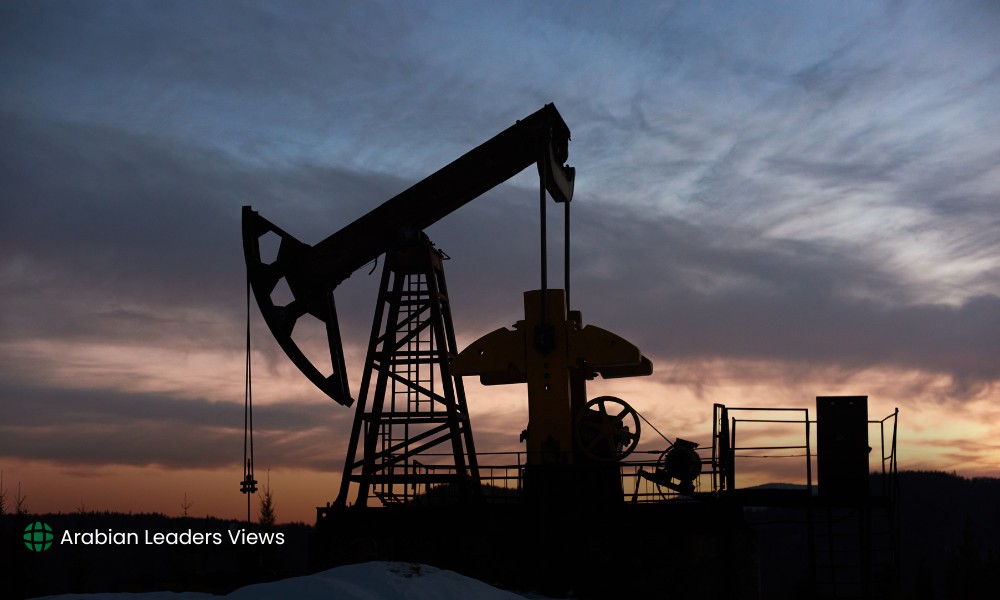
Oil prices increased by more than $1 per barrel on October 22, 2026, as fresh Houthi attacks in Saudi Arabia raised concerns about possible disruptions to global energy supplies. The latest developments have added pressure to an already uncertain oil market, where geopolitical tensions and shipping risks are influencing prices.
Brent crude futures climbed to $110.75 per barrel, while US West Texas Intermediate (WTI) crude reached $98.58 during early trading. Market participants are closely monitoring developments across the Middle East, as potential disruptions to oil production and major shipping routes could affect global supplies and push crude prices higher.
Why Are Oil Prices Rising After Houthi Attacks?
The latest increase in oil prices reflects growing concerns about the security of energy infrastructure and transportation routes in the Middle East.
Yemen’s Iran-aligned Houthi group carried out attacks on several targets in Saudi Arabia. Reports said the incidents included an attack at a civilian airport in Dammam and a drone strike on a Saudi oil field.
These developments have raised concerns among traders about further damage to energy facilities and potential interruptions to oil production or exports.
When markets anticipate a reduction in available supplies, buyers may become willing to pay more for crude oil. This can push benchmark prices higher even before the full effect of an incident on production becomes clear.
Impact on Global Energy Markets
The latest oil news Houthi developments highlight the connection between regional security and global energy prices.
Saudi Arabia is an important oil producer and exporter, making the security of its energy infrastructure a major concern for international markets. Continued attacks could increase uncertainty for producers, shipping companies, refiners, and businesses that depend on stable fuel supplies.
The oil price Houthi relationship is particularly important because traders must consider both actual supply disruptions and the possibility of future problems.
The Strait of Hormuz is another critical area to watch. The waterway connects the Persian Gulf with international shipping routes and carries a significant share of global oil shipments. Any serious disruption could affect transportation costs and supply expectations worldwide.
Oil Prices and Houthi Attacks: What Traders Are Watching
The recent oil prices Houthi attacks developments are unfolding alongside other pressures on energy markets.
US crude inventories fell by 3.06 million barrels in the week reported by the US Energy Information Administration, reaching 412.5 million barrels. Lower inventories can support prices when traders are concerned about supply availability.
Market participants are also monitoring wider geopolitical developments, shipping activity, production levels, and government responses.
Related headlines, including oil rises after strikes on Houthis, US yields fall following PPI, demonstrate how energy markets can react to several economic and geopolitical factors at once. Inflation data and changes in bond yields can influence expectations for economic growth and fuel demand, while military developments can affect supply concerns.
Similarly, reports framed around oil prices rise as Iranian warship enters Red Sea after US destroys Houthi boats involve separate developments that should be verified independently before being linked to this particular price movement.
What Could Higher Oil Prices Mean for Businesses?
Rising crude prices can increase costs for airlines, transportation companies, manufacturers, and other energy-intensive businesses. If higher oil prices continue, consumers may also face pressure from more expensive fuel and transportation.
However, the final impact depends on how long supply concerns persist, how producers respond, and whether shipping routes remain operational.
Middle East Tensions Keep Oil Markets on Alert
Oil prices have climbed as fresh Houthi attacks in Saudi Arabia have raised concerns about the security of energy supplies. With Brent crude trading above $110 per barrel in early trading, investors are watching regional developments alongside inventory data and wider economic signals.
The direction of oil prices will depend on whether tensions escalate, energy flows face further disruption, or conditions begin to stabilise. For businesses and consumers, developments in the Middle East remain an important factor in the outlook for global fuel costs.
Arabian Leaders Views Magazine showcases the inspiring journeys of visionary leaders, entrepreneurs, and industry pioneers across the Arab world.