

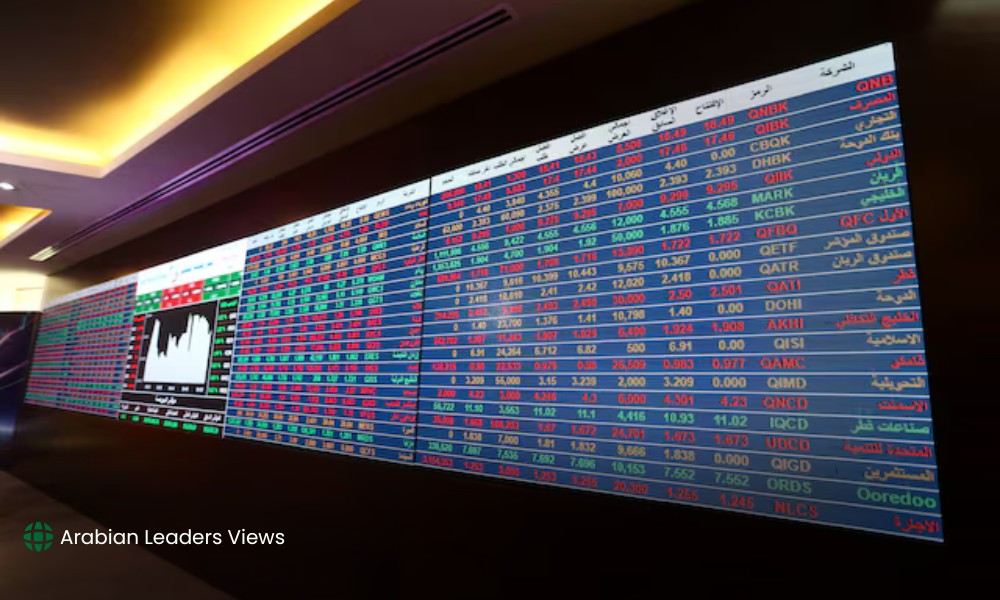
Saudi stocks declined following a reported attack on an Aramco building, while other Gulf financial markets delivered mixed results. The movement highlighted how security concerns can influence investor confidence across the Middle East, particularly in markets closely connected to energy production and exports.
Saudi Arabia plays a major role in global oil supplies, making developments involving Saudi Aramco important for investors. However, the effect of a security incident on stock prices depends on the scale of the damage, potential disruption to operations, and the wider regional situation.
For investors tracking the Saudi market index, the latest decline highlights the importance of monitoring both company developments and broader geopolitical risks.
Why Did Saudi Stocks Fall After the Aramco Attack?
The reported attack on an Aramco building raised concerns about security risks affecting Saudi Arabia’s energy sector. Even when the immediate impact on production is unclear, incidents involving major energy infrastructure can create uncertainty in financial markets.
Investors may respond by reducing exposure to assets they consider vulnerable to geopolitical developments. Energy companies, transportation businesses, and other regional stocks can be affected by changes in market sentiment.
However, a decline in Saudi stocks does not necessarily mean that oil production has been disrupted. Investors need confirmed information about operational damage, supply interruptions, and official responses before assessing the incident’s full economic impact.
Saudi Market Index and Gulf Markets Performance
The Saudi market index is an important indicator of investor sentiment toward the Kingdom’s listed companies. Movements in the index can reflect changes in energy prices, corporate earnings, economic expectations, and regional security conditions.
While Saudi stocks moved lower following the reported incident, other Gulf markets showed mixed performance. This suggests that investors were assessing risks differently across the region rather than responding uniformly to the same developments.
For those searching for the latest Saudi stocks fall after Aramco attack as Gulf markets mix price updates, it is important to distinguish between daily index movements and longer-term market trends. A single trading session does not necessarily indicate a lasting shift in investor confidence.
Will Saudi Arabia Attack Iran?
Questions such as “Will Saudi Arabia attack Iran?” and “Why is Saudi Arabia not bombing Iran?” reflect wider concerns about regional tensions. However, a market decline alone does not indicate that Saudi Arabia plans military action.
Saudi Arabia’s response to regional security threats depends on official assessments, diplomatic considerations, and its broader security interests. Any claim about a potential military response should be based on verified government statements rather than market speculation.
Similarly, whether Saudi Arabia was attacked by Iran cannot be established from the reported stock market movement alone. The identity of those responsible for the reported Aramco incident must be confirmed through reliable reporting and official statements.
Could Saudi Arabia Retaliate?
The possibility of Saudi retaliation would depend on the confirmed circumstances of an attack, the evidence available, and the government’s assessment of the threat. Diplomatic engagement, security measures, and other responses may be considered depending on the situation.
For financial markets, the key concern is whether regional tensions escalate and affect energy infrastructure, oil shipments, or investor confidence. Any sustained disruption could have broader implications for oil prices and businesses across the Gulf.
What Investors Should Watch Next
Investors will be looking for official updates on the Aramco incident, any confirmed operational disruption, and further movements in Saudi and regional stock indexes.
Oil prices, trading volumes, company announcements, and government responses will also help determine whether the initial market reaction develops into a wider trend.
Market participants should avoid making investment decisions based solely on unverified reports or short-term price changes. Confirmed information and broader economic indicators remain essential when evaluating risk.
Regional Security Remains a Key Market Factor
The reported Aramco incident and the decline in Saudi stocks underline the connection between geopolitical developments and financial market confidence. While Gulf markets responded differently, investors will continue to assess the potential effects on energy operations, regional stability, and economic activity.
The direction of Saudi stocks in the coming sessions will depend on further verified developments, the extent of any disruption, and how investors interpret the changing risk environment.
Subscribe Now to Explore Ideas Driving the Future of Business