

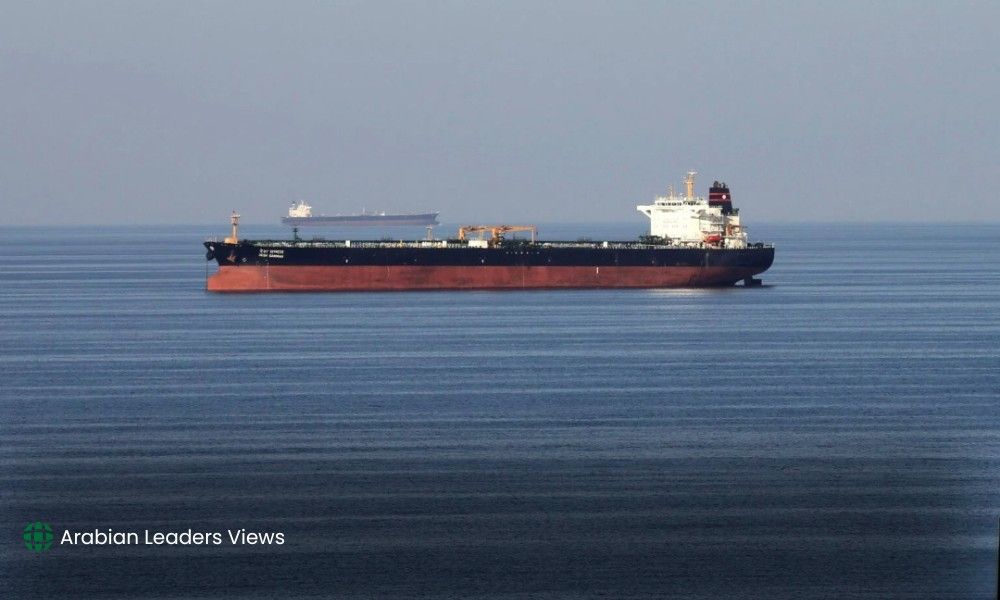
Following a string of new attacks and security problems close to the Omani coast, vessel traffic in the Strait of Hormuz has drastically decreased. As one of the busiest maritime trade routes in the world undergoes heightened caution, the changes have sparked worries among shipping firms, cargo operators, and international energy markets. While maritime authorities continue to monitor the situation and provide security advice, a number of commercial vessels have allegedly postponed their trip.
An essential maritime route that links the Persian Gulf to the Arabian Sea and the Gulf of Oman is the Strait of Hormuz. Every day, millions of barrels of crude oil, LNG, and other commodities flow through the waterway, so any disruption has worldwide ramifications.
“سلامة الملاحة البحرية مسؤولية مشتركة لضمان استقرار التجارة العالمية.”
Concerns About Maritime Security Are Raised by Recent Attacks
Commercial marine companies have reviewed their operation strategies in response to recent security events near the Omani coast. Concerns regarding the security of ships passing through the Strait of Hormuz have reportedly grown as a result of recent attacks in the area.
Ship operators are taking extra safety measures before entering the critical waterway, despite authorities stepping up monitoring and security activities. Some ships have slowed down, changed their sailing plans, or waited for the most recent instructions from maritime security organizations.
Shipping Companies Adopt Precautionary Measures
Many shipping firms are closely following official advisories before allowing vessels to continue through the region. Operators are also coordinating with naval authorities and maritime security organizations to ensure safer passage.
Industry experts note that precautionary actions are common whenever security risks increase along major international shipping routes.
Global Trade Routes Are Affected by Traffic Slumps
Global markets have taken notice of the Strait of Hormuz traffic fall due to the route’s significance for international trade. A large portion of the world’s energy exports, especially crude oil and liquefied natural gas, are handled by the waterway.
Delivery delays, greater shipping expenses, and higher insurance premiums for cargo moving through the area can result from a decrease in vessel activity. Companies engaged in international trade, energy, and logistics keep an eye out for any new changes.
Economic Effects Are Still Being Monitored
Supply chains may be momentarily impacted by slowed vessel movement even when shipping has not entirely ceased if security worries persist. Market analysts are keeping an eye out for potential effects on regional trade activity, freight operations, and gasoline costs.
Until conditions stabilize, shipping companies are expected to strike a balance between crew safety and operating efficiency.
Authorities Continue Monitoring the Situation
Regional governments and international maritime organizations remain focused on protecting commercial shipping through the Strait of Hormuz. While encouraging vessel operators to stay vigilant during transit, security agencies continue to provide navigational updates.
Officials have emphasized the importance of maintaining safe maritime operations without disrupting the steady flow of international commerce.
What Comes Next
The significance of marine security in one of the busiest shipping lanes in the world is highlighted by the current delay in Hormuz traffic. Shipping companies are required to exercise caution when operating close to the Omani shore as officials continue to look into the most recent occurrences and bolster security measures. Future developments will be keenly monitored by global trade, energy markets, and logistics firms because regional economic activity and worldwide trade depend on the Strait of Hormuz’s stability.
Arabian Leaders’ Views connects readers with the people and organizations driving innovation, growth, and sustainable success throughout the Middle East.