
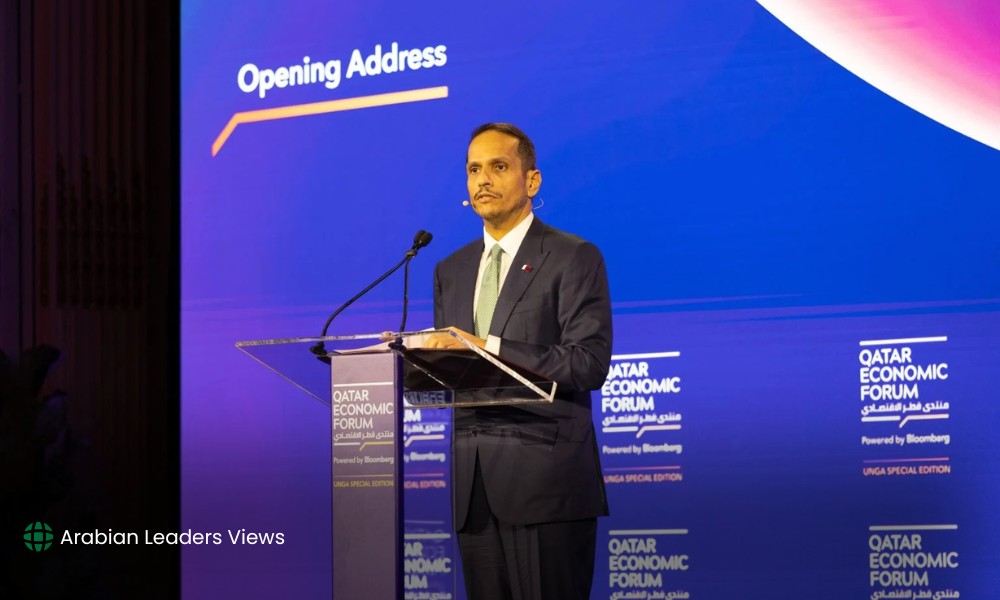
Qatar has announced more than $60 billion in new investment opportunities over the next five years, combining infrastructure development with real estate and hospitality projects. The announcement was made at the Qatar Economic Forum’s UNGA Special Edition in New York, where the country also presented plans to increase private-sector participation, expand technology capabilities and strengthen its long-term economic position.
More Than $60 Billion Planned Across Key Sectors
The Qatar pipeline includes approximately $38.5 billion in infrastructure projects that the government expects to launch over the next five years. Public-private partnerships will form part of the investment program, with initial tendering processes beginning immediately.
Another $22.5 billion is expected to come through private investment in real estate and hospitality. Among the projects highlighted is the Simaisma development, which is expected to attract around $5.8 billion in investment.
Together, these projects represent a major opportunity for companies looking to participate in Qatar’s next phase of economic development.
Doha Investment Opens a New Route for Private Capital
Alongside the investment announcement, Qatar launched Doha Investment, a platform created to manage and expand the domestic portfolio of the Qatar Investment Authority.
The platform covers more than 40 Qatari companies operating across more than 80 international markets. Its portfolio includes businesses in financial services, transportation, telecommunications, technology, real estate, hospitality, food and agriculture.
The initiative is designed to help established companies grow while also supporting new businesses and attracting international investors. Qatar also plans to use the platform to strengthen local capital markets and create more opportunities for private-sector participation.
Technology Takes a Larger Role in Qatar’s Plans
Technology was another major part of the economic strategy presented at the forum. Qatar is seeking to develop advanced technology capabilities and expand the use of new computing and digital solutions across the economy.
The country has introduced Qai, a national platform intended to support the wider adoption of trusted artificial intelligence across businesses and society. Officials have pointed to areas such as healthcare and scientific research as potential fields where these capabilities could create new opportunities.
This strategy signals an effort to build new sources of economic value alongside Qatar’s established energy sector.
Energy Remains a Core Part of the Strategy
Despite its focus on diversification, energy remains central to Qatar’s economic outlook. The country continues to advance the expansion of the North Field, a major project expected to increase LNG production capacity.
QatarEnergy CEO Saad Sherida Al Kaabi said at the forum that disruptions around the Strait of Hormuz could affect the timing of some expansion work because of difficulties receiving essential equipment. The North Field East expansion is scheduled to begin operations in 2027, followed by North Field South in 2028.
The energy developments are important because Qatar is seeking to maintain its role as a major global LNG supplier while investing in other areas of the economy.
Qatar’s Investment Strategy Gains Global Attention
The announcements in New York put Qatar’s investment strategy in front of international investors and business leaders. The government is combining infrastructure spending, private investment, technology development and energy expansion as part of a broader economic plan.
البيان العربي:
تسعى دولة قطر إلى تعزيز الاستثمار وتنويع اقتصادها من خلال تطوير البنية التحتية، ودعم القطاع الخاص، وتوسيع مجالات التكنولوجيا والطاقة، مع جذب المزيد من الاستثمارات الدولية.
The more than $60 billion investment pipeline provides a broad framework for Qatar’s next five years, while Doha Investment is intended to give domestic companies and international partners a stronger role in that growth.
Arabian Leaders Views brings the stories of visionary leaders, pioneering companies, and transformative ideas shaping the Arab world.