

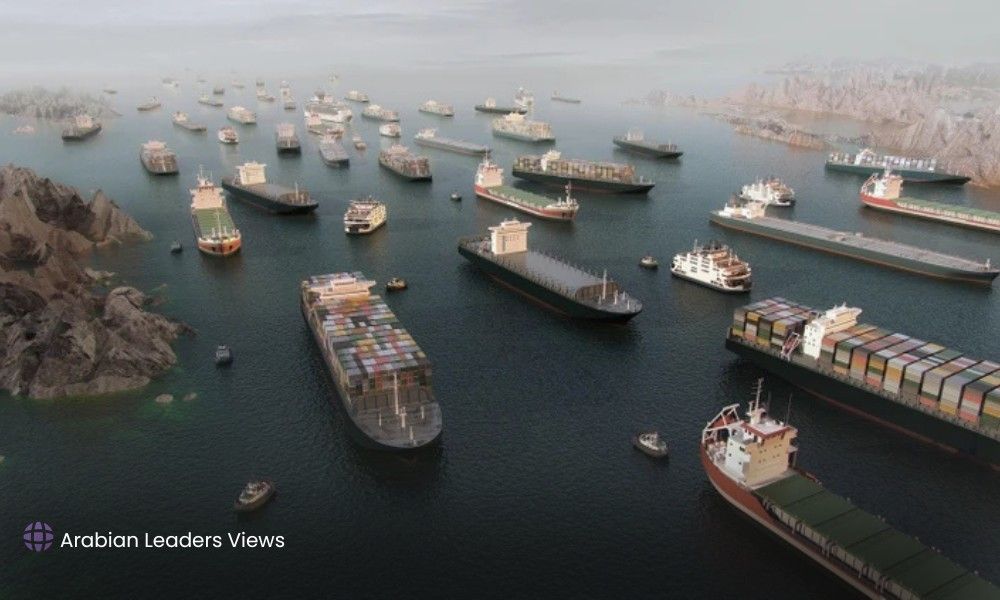
The United Arab Emirates (UAE) has reiterated its commitment to safeguarding international trade routes and maintaining regional peace while vehemently denouncing the recent Houthi attacks that targeted commercial vessels in the Red Sea. The announcement coincides with growing security worries in the wake of several attacks on cargo ships traveling through one of the busiest maritime routes in the world.
The UAE underlined that attacks on civilian ships pose a threat to international maritime navigation safety, global business, and energy supply. In order to protect commercial lanes and uphold regional peace, officials urged increased international collaboration.
“تؤكد دولة الإمارات العربية المتحدة رفضها القاطع لأي هجمات تستهدف الملاحة البحرية، وتدعو إلى تعزيز التعاون الدولي لحماية أمن البحر الأحمر وضمان حرية الملاحة الدولية.”
The Red Sea continues to be a vital route for international trade
One of the most significant maritime lanes in the world, the Red Sea links Europe, Asia, and the Middle East via the Suez Canal. Every day, millions of barrels of commercial commodities, liquefied natural gas, and oil travel across these waterways.
Commercial shipping is now at greater risk due to Houthi troops’ frequent strikes, which have forced some ships to take lengthier and more costly detours. Additionally, the disruption has increased the cost of shipping and put more strain on international supply systems.
UAE Reiterates Its Support for Maritime Security
The UAE reaffirmed its support for global initiatives aimed at guaranteeing Red Sea freedom of navigation. Officials emphasized that preserving regional stability and the continuous flow of international trade depend on the protection of commercial vessels. In order to improve coordination, bolster marine security, and address new threats in vital waterways, the nation continues to collaborate closely with regional and international partners.
Arabian Leaders Views Magazine brings you the stories of visionary leaders shaping the Arab world’s future. From business innovation to executive leadership, we highlight the people driving meaningful change. Explore more inspiring insights and success stories with Arabian Leaders Views.
International Reaction to Attacks by the Houthis
Several nations have responded more forcefully to the attacks. To prevent future attacks on commercial vessels, the United States and its allies have increased maritime security operations in the area.
Targeting anti-ship missiles, drones, radar systems, and other military equipment used to endanger international shipping, U.S. Marines have launched strikes against Houthi military infrastructure in Yemen in recent months. In order to prevent such attacks and guarantee commercial vessels’ safe passage, multinational naval patrols have also expanded their presence in the Red Sea. The strikes have been denounced by a number of governments, which have warned that further action might jeopardize regional security and impede global trade.
Effects of Shipping Disruptions on the Economy
International maritime firms are nevertheless impacted by security issues in the Red Sea. Longer shipping routes put more financial strain on companies all across the world by increasing fuel usage, transportation expenses, and delivery delays.
Manufacturing, retail, and energy are among the sectors that are most susceptible to interruptions along this vital route since they depend on timely imports and exports.
UAE Demands International Collaboration
In order to combat maritime security concerns and stop additional attacks on commercial vessels, the UAE has called on the international community to increase collaboration. Officials emphasized that concerted diplomatic, security, and economic initiatives are necessary to safeguard international shipping. The nation reiterated its support for programs that safeguard international trade routes, advance regional stability, and guarantee the security of maritime navigation.
Get the latest updates on leadership, innovation, and regional business trends. Subscribe now.