

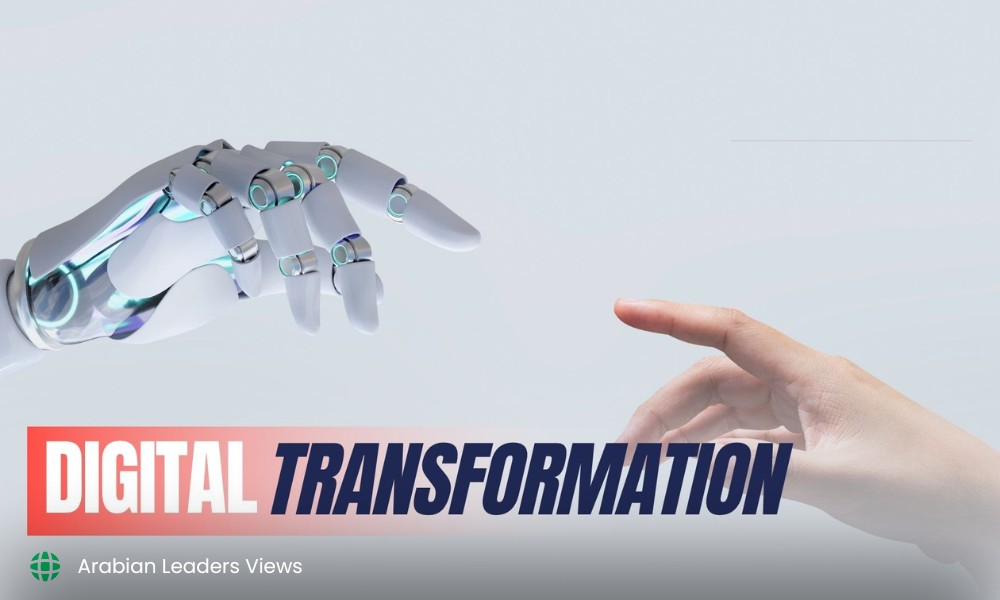
What if a business could understand customer needs faster, identify operational problems earlier and make better decisions with less manual effort?
This is the opportunity artificial intelligence is bringing to the Middle East.
In 2026, AI is becoming part of the way organisations think, plan and deliver services. Companies are no longer looking at intelligent technology only as an additional digital tool. They are exploring how it can become part of their everyday business strategy.
Across the UAE, Saudi Arabia and other regional markets, this shift is creating fresh opportunities for established companies, emerging businesses and entrepreneurs.
The Middle East’s AI Momentum
The region’s growing interest in artificial intelligence is supported by national development programmes, investment and a stronger focus on technology-led industries.
Three important developments are contributing to this transformation:
1. UAE: Building an AI-Focused Economy
The UAE’s Artificial Intelligence Strategy 2031 supports the integration of intelligent technologies across government services, businesses and important economic sectors. Its broader ambition is to strengthen the country’s position in the global technology landscape.
2. Saudi Arabia: Connecting AI with Economic Development
Saudi Arabia’s Vision 2030 encourages innovation, technology investment, entrepreneurship and the development of new industries. Artificial intelligence is becoming an important part of the country’s wider digital development ambitions.
3. Regional Businesses: Moving Towards Practical Applications
Companies are exploring how AI can improve productivity, customer relationships and operational performance. The focus is gradually shifting towards practical business applications rather than technology adoption for its own sake.
Where AI Is Making a Business Difference
Artificial intelligence is not transforming every industry in the same way. Its value depends on how organisations apply it to real business challenges.
Here are six areas where AI is creating opportunities:
| Business Sector | How AI Is Transforming the Industry |
| Banking & Finance | Supports fraud detection, customer assistance and financial data analysis. |
| Healthcare | Helps analyse medical information, manage records and support research. |
| Retail & E-commerce | Improves demand forecasting, inventory management and personalised shopping. |
| Real Estate | Supports property analysis, market research and customer enquiries. |
| Logistics & Supply Chain | Helps optimise delivery routes, track inventory and improve planning. |
Four Ways Companies Can Work Smarter
01. Decisions Backed by Better Information
AI can help leadership teams examine business information, recognise patterns and identify areas that need attention. Human judgement remains essential when making important decisions.
02. Less Time Spent on Repetitive Work
Routine reporting, document organisation and administrative activities can become more efficient through automation. Employees can then focus on responsibilities that require creativity and experience.
03. More Relevant Customer Experiences
Intelligent systems can help companies understand customer preferences and improve communication. This can make services more responsive and interactions more relevant.
04. More Room for Innovation
When teams spend less time on repetitive activities, they can give greater attention to product development, creative thinking and long-term business planning.
The Human Side of Artificial Intelligence
Technology creates possibilities. People determine how those possibilities are used.
The growing use of AI also raises important questions. How should companies protect customer information? Who checks AI-generated decisions? Are employees receiving the training needed to work with new systems?
Responsible adoption requires strong data protection, clear policies, continuous employee learning and human oversight. Businesses should also ensure that technology investments solve genuine problems rather than introduce unnecessary complexity.
What Should Business Leaders Focus on Next?
The next stage of AI adoption will require more than purchasing software or introducing automation tools. Leaders need to identify where technology can deliver measurable improvements.
A practical starting point is to select one business process, understand its limitations, test an appropriate AI solution and evaluate the results before expanding its use.
This approach allows organisations to learn, improve and build confidence while managing implementation risks.
The Bigger Picture
The Middle East’s AI journey is also a business leadership journey. Organisations that make meaningful progress will be those that balance technological ambition with responsibility, skilled people and clear business objectives.
Artificial intelligence can help companies work differently, but innovation becomes valuable only when it produces real improvements. In 2026, the opportunity for Middle Eastern businesses is not simply to adopt AI, but to use it thoughtfully to create stronger organisations and new possibilities for the region’s future.
Subscribe now and become part of a community that values facts, knowledge,and thoughtful conversations over misinformation.