

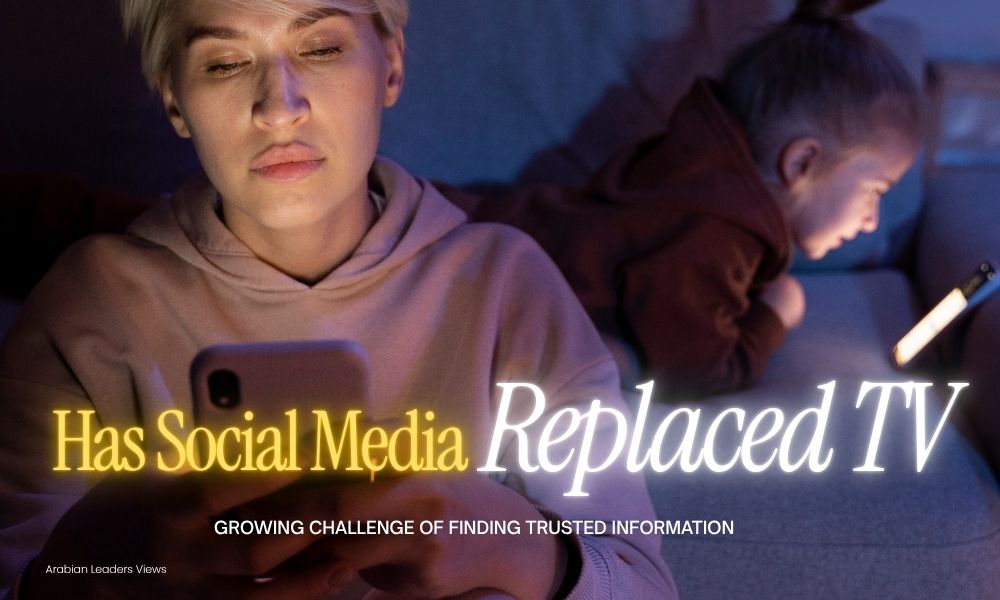
There was a time when newspapers shaped the morning and television brought families together every evening. People trusted printed headlines, waited for the evening news, and discussed important events with family members over dinner. Today, the Middle East has entered a digital-first era. Smartphones have replaced remote controls, and social media platforms have become the first place where millions of people look for breaking news. Across the UAE, Saudi Arabia, Qatar, Kuwait, Bahrain, Oman, and other Middle Eastern countries, internet usage has reached record levels, making social media a dominant source of daily information.
Why Social Media Become the First Choice?
The biggest reason behind this transformation is speed. News appears on social media within seconds, while television broadcasts and newspapers often take longer to verify and publish information. People now expect instant updates about politics, business, sports, entertainment, and global events. This convenience has changed news consumption habits, especially among younger generations who spend several hours every day on their mobile devices.
The Growing Challenge of Finding Trusted Information
Although information travels faster than ever before, trust has become more difficult to find. Anyone can upload a video, write an opinion, or share an unverified story. Viral content often spreads much faster than factual reporting. Unlike traditional newspapers and television channels that follow editorial standards and fact-checking processes, many social media posts reach millions before anyone confirms whether they are accurate.
Speed Does Not Always Mean Accuracy
Many people now share news without checking its source. A misleading headline or edited video can quickly influence public opinion. This makes it more important than ever to rely on verified journalism, trusted newspapers and established news organizations before believing or forwarding information.
How Digital Life Has Changed Family Relationships
The impact of social media extends beyond news. It has changed how families communicate with one another. While we remain connected online throughout the day, we often spend less quality time with the people sitting beside us. Family conversations that once happened over tea or dinner are increasingly replaced by scrolling through endless feeds.
Traditional Values Are Slowly Fading
Many parents remember evenings when everyone watched the news together and discussed local and international events. Those shared moments created stronger relationships and encouraged meaningful conversations. Today, each family member often looks at a different screen, reducing personal interaction and weakening traditions that once connected generations.
The Reality Behind Perfect Social Media Posts
Social media presents only a small part of reality. During a family vacation or celebration, we may take 100 photographs, but only one carefully edited image is shared online. That single picture creates the impression that everything is perfect, even though real life includes challenges, stress, and ordinary moments that never appear on social media.
The Pressure of Comparing Lives
Constant exposure to ideal lifestyles encourages unnecessary comparison. People begin measuring their own lives against carefully selected moments from others, forgetting that every family experiences difficulties beyond what appears on a screen.
Children Are Growing Up in a Different World
Children today are surrounded by digital content from an early age. Instead of developing reading habits through newspapers or books, many spend hours watching short videos and scrolling through social media platforms.
Less Outdoor Time and More Screen Time
Parents across the Middle East are becoming increasingly concerned about reduced outdoor activities, limited face-to-face communication, shorter attention spans, and excessive late-night screen use. These habits can affect emotional development, family bonding, and healthy daily routines.
Why Newspapers Still Matter in the Digital Age
Social media offers convenience, but newspapers continue to provide something that digital platforms often cannot; credibility, depth and accountability. Professional journalism follows verification processes that help readers understand the complete story rather than isolated headlines or emotional opinions.
Finding the Right Balance Between Technology and Tradition
Social media has undoubtedly replaced television as the fastest source of information for many people across the Middle East. However, speed should never replace accuracy, and convenience should never replace meaningful family connections. Technology should improve our lives, not distance us from our traditions, our loved ones, and reliable journalism.
As digital transformation continues across the Middle East, the smartest approach is not to abandon technology but to use it wisely. We should verify information through trusted newspapers and credible news organizations, spend more time with family than with endless scrolling, and remember that the most valuable moments are often the ones that never appear on social media.
Subscribe now and become part of a community that values facts, knowledge,and thoughtful conversations over misinformation.