

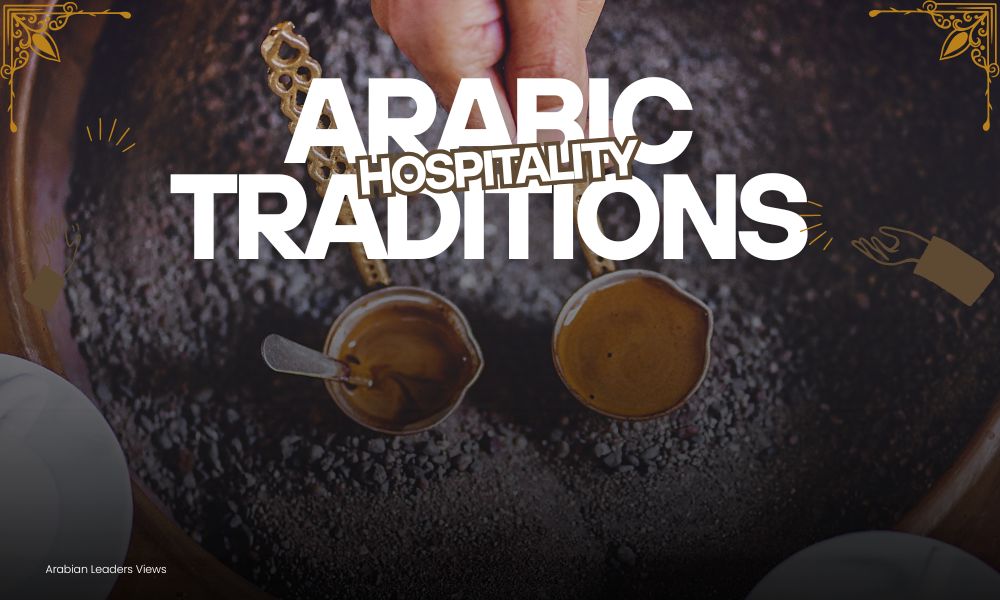
Do you know that giving coffee, tea and a hearty lunch to guests is much more than just being hospitable in many Arab nations? It is a centuries-old custom that stands for community values, kindness, charity, honor and respect. In the Arab culture, people are frequently greeted with warmth that makes a lasting impression, regardless of whether they are a close neighbor, a visiting relative, or even a total stranger passing through.
We see Arabic hospitality traditions as one of the strongest cultural values that continue to unite families and communities. Hospitality is not measured by wealth but by the willingness to share food, drinks and time with others. This timeless custom continues to define the identity of Arab societies across generations.
The Meaning Behind Arabic Hospitality Traditions
Arabic hospitality traditions are deeply rooted in history, religion, and family values. Generosity toward guests has long been considered a sign of dignity and noble character. Throughout history, travelers crossed deserts where survival often depended on the kindness of strangers. This environment shaped a culture where welcoming visitors became a moral responsibility.
Today, these traditions remain alive in cities and villages alike. Families often prepare their homes to receive guests with elegance, ensuring visitors feel comfortable from the moment they arrive. Hospitality is viewed as a reflection of personal character and family reputation.
Arabic Coffee: A Symbol of Respect and Friendship
One of the most recognized elements of Arab hospitality is Arabic coffee, commonly known as Gahwa. Prepared with lightly roasted coffee beans and flavored with cardamom, saffron or cloves depending on regional traditions, this distinctive beverage represents far more than refreshment.
Serving Arabic coffee follows established customs that have been respected for generations. The host carefully pours coffee into small cups and personally offers it to each guest. Refilling the cup demonstrates continued hospitality, while guests traditionally signal they have finished by gently shaking the cup before returning it.
Arabic coffee symbolizes friendship, trust, and sincere respect. Whether welcoming business partners, family members or travelers, serving coffee creates an atmosphere of warmth and mutual appreciation.
Tea Holds a Special Place in Arabic Homes
While coffee often begins the welcome, Arabic tea culture strengthens conversations that follow. Tea is served throughout the day and frequently accompanies family gatherings, celebrations, and evening visits.
Mint tea, black tea, and herbal infusions are popular across different Arab regions. Sweetened generously and served with dates or traditional sweets, tea encourages long conversations where stories, experiences and family news are shared.
Tea represents comfort, relaxation and social connection. It transforms ordinary meetings into meaningful moments filled with genuine hospitality.
Generous Meals Reflect Honor and Gratitude
One of the most remarkable aspects of Arabic hospitality traditions is the importance of serving abundant meals. Guests are rarely offered a simple snack. Instead, hosts prepare complete feasts that demonstrate gratitude for the visitor’s presence.
Traditional dishes vary from country to country, yet every meal reflects generosity. Families may prepare fragrant rice, roasted lamb, grilled meats, fresh bread, vegetables, salads, soups, and delicious desserts. Dates often accompany meals and symbolize blessings and prosperity.
Travelers Are Welcomed Like Honored Guests
Throughout history, welcoming travelers has remained one of the defining characteristics of Arab hospitality. Desert life required communities to assist visitors regardless of their background or destination. Modern Arab societies continue this legacy by treating travelers with remarkable generosity. Hotels, homes, and guest houses frequently offer refreshments immediately upon arrival. Visitors often receive recommendations, local assistance, transportation guidance, and invitations to family meals.
This tradition reflects the belief that every traveler deserves kindness, protection, and respect until they safely continue their journey.
Hospitality During Religious Celebrations
Religious occasions further highlight the importance of generosity within Arabic culture. During Ramadan, families invite relatives, neighbors, and strangers to share the evening meal known as Iftar. Community gatherings become opportunities to strengthen relationships through shared food and meaningful conversations.
During Eid celebrations, homes remain open to visitors throughout the day. Coffee, tea, sweets and festive meals are prepared in abundance as families exchange greetings and celebrate together.
These celebrations reinforce values of compassion, unity, and generosity that define Arab hospitality throughout the year.
Why Arabic Hospitality Traditions Continue to Be Admired
The enduring beauty of Arabic hospitality traditions lies in their ability to transform ordinary encounters into memorable experiences. Every cup of coffee, every serving of tea, and every generously prepared meal communicates appreciation, dignity and sincere respect. Neighbors become extended family, travelers become honored guests, and communities remain connected through acts of generosity that have endured for centuries.
These traditions continue inspiring people worldwide because they remind us that authentic hospitality is not measured by luxury but by genuine kindness, thoughtful generosity and heartfelt human connection. Across the Arab world, welcoming others remains one of the greatest expressions of cultural pride and timeless respect.