

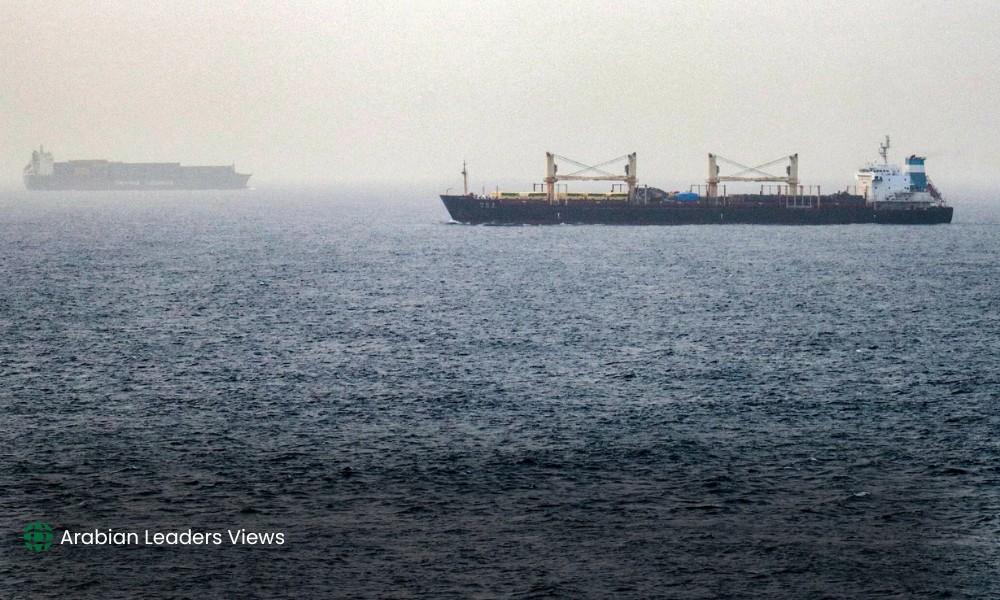
As energy markets continue to keep an eye on security issues around some of the most significant maritime routes in the world, the question “What Are the Shipping Risks in Middle East Oil Routes?” has drawn interest from all over the world. With millions of barrels of crude oil passing through vital waterways every day, the Middle East is a major hub for the world’s oil transportation.
The Strait of Hormuz continues to be one of the most important routes for global energy exchange. Global supply chains, oil pricing, and marine operations might all be impacted by any disturbance in this area.
Arabian Leaders Views Magazine brings forward the stories of inspiring leaders and businesses creating change in the Middle East. Through interviews, insights, and industry updates, the publication highlights innovation, growth, and success while sharing valuable perspectives from professionals shaping the region’s future.
The Significance of the Strait of Hormuz for International Oil Trade
The Persian Gulf, the Gulf of Oman, and the Arabian Sea are all connected via the Strait of Hormuz, a small waterway. Because a sizable portion of the world’s crude oil and petroleum products go through this canal, it is regarded as one of the most significant oil transit routes in the world.
The region is extremely vulnerable to marine interruptions, security crises, and geopolitical conflicts due to the significance of the Strait of Hormuz oil flow. To safeguard the stability of the world’s energy sources, nations and energy corporations keep a careful eye on vessel movements across the region.
Important Shipping Risks Along Oil Routes in the Middle East
Rising dangers for ships sailing close to important Middle East oil routes are caused by a number of factors:
1. Tensions in geopolitics
Commercial vessels may experience uncertainty due to regional disputes and political conflicts. Shipping timetables and insurance prices may be impacted by increased military activity, diplomatic tensions, or security alerts.
2. Dangers to Maritime Security
Attacks, security problems, and unauthorized vessel activities can all pose a threat to commercial ships. To safeguard crews and cargo, shipping corporations frequently step up safety precautions and keep a careful eye on routes.
3. Disruptions to the Oil Supply
Global energy markets could be impacted by any significant disruption to shipping through the area. Transportation delays may put pressure on supply chains because many nations rely on Middle Eastern oil exports.
Other Paths and Shipping Options
In an effort to lessen reliance on a single maritime route, oil producers and shipping corporations are still investigating an additional route across the Strait of Hormuz.
Additional possibilities for oil transportation may be offered via other pipelines and export routes. However, the amount of oil that has historically been moved via the waterway makes it difficult to replace the Strait of Hormuz’s capacity.
Keeping an eye on maritime activity and ship movements
To monitor vessel whereabouts, spot anomalous activity, and enhance marine awareness, businesses and governments utilize tools like live ship monitoring Strait of Hormuz systems and a Strait of Hormuz ship tracker.
Shipping companies can make better decisions using real-time tracking, particularly when there is more regional uncertainty.
Regional Significance and Prospects
The marine routes in the Middle East will remain crucial to the security of the world’s energy supply. The strategic significance of routes like the Strait of Hormuz does not change, even when maritime corporations are investigating other possibilities and enhancing safety procedures.
“تُعد ممرات النفط في الشرق الأوسط شرياناً أساسياً للطاقة العالمية، وأي اضطراب فيها قد يؤثر على الأسواق والإمدادات حول العالم.”
Protecting Critical Energy Routes
Businesses, governments, and the energy markets must comprehend the transportation hazards associated with Middle Eastern oil routes. These concerns, which range from marine security issues to geopolitical unpredictability, underscore the necessity of increased surveillance, enhanced safety protocols, and varied transportation approaches.
Protecting important waterways like the Strait of Hormuz will continue to be crucial for international commerce and economic stability as long as the world’s reliance on energy trade persists.
Subscribe Now to Explore Ideas Driving the Future of Business