

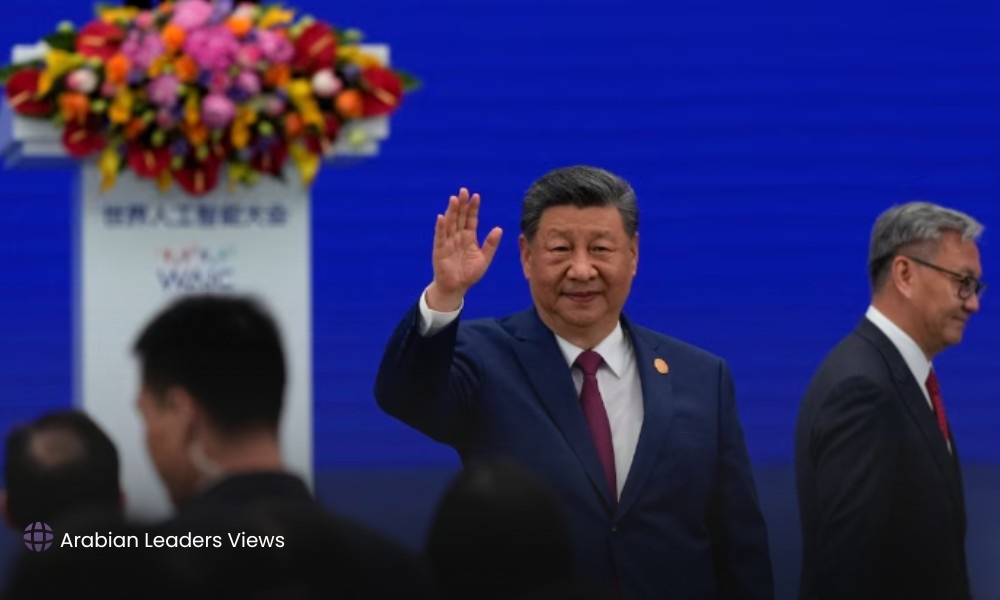
AI governance is one of the most important policy challenges in the world as AI continues to transform economies, public services, and international competition. Chinese President Xi Jinping and AI policy were once again closely associated during recent talks on technology and innovation, as China stressed the need for greater international collaboration and responsible AI development.
Chinese leaders have stressed time and time again that AI should be created in a way that promotes economic growth while maintaining public trust, security, and ethical standards. As governments around the world strive to create uniform regulations for quickly developing technologies, the nation’s most recent actions are part of a larger push to influence AI governance in the future.
China’s Vision for AI Governance
China has established itself as a major player in global discussions over the regulation of artificial intelligence. In addition to supporting international cooperation on AI safety, transparency, and responsible use, the nation’s recommendations center on fostering innovation.
One significant endeavor highlighted by Chinese media, including conversations surrounding the Global AI Governance endeavor published by Xinhua, called for international cooperation to guarantee AI advances benefit all nations. The idea invites governments to share expertise, develop uniform standards, and decrease the risks associated with advanced AI systems.
Chinese policymakers argue that good governance should balance technological advancement with ethical responsibility and long-term societal advantages.
National Priorities Drive AI Development
Additionally, China has increased its efforts in artificial intelligence research and instruction. Recent emphasis has focused on claims of China creating an AI model based on Xi Jinping’s ideology, reflecting the country’s broader approach of integrating technical progress with national policy priorities and governance principles.
These programs aim to foster innovation in public administration, manufacturing, healthcare, education, and transportation while bolstering domestic AI capabilities.
As part of its long-term economic modernization agenda, China continues to make significant investments in AI research, according to observers.
Artificial Intelligence’s Effect on Governance
Artificial intelligence’s increasing influence on governance goes well beyond technology. AI is being used by governments more and more to protect cybersecurity, improve public services, increase administrative efficiency, and support policy decision-making through sophisticated data analysis.
Experts stress the significance of preserving human control in AI-powered systems, safeguarding privacy, avoiding algorithmic bias, and guaranteeing openness.
Policymakers must balance promoting innovation with enacting laws that safeguard citizens and uphold public trust as the use of AI grows worldwide.
Constructing the Future of Ethical AI
Governments, tech firms, and international organizations are still debating the future of responsible AI and the evolution of international norms. Ethical AI development, accountability, cybersecurity, equity, and international collaboration are important goals. The use of AI to healthcare, education, climate research, disaster response, and sustainable development is also seen by many experts as the future of AI for good, enabling technology to tackle some of the biggest problems facing humanity.
International collaboration will be crucial to developing governance frameworks that support innovation while protecting society as AI capabilities continue to grow. As nations strive for a safe, inclusive, and responsible digital future, China’s continued participation in international AI discussions emphasizes the growing significance of cooperative policymaking.
Stay informed with the latest world news, technology insights, and global policy updates only on Arabian Leaders Views.