

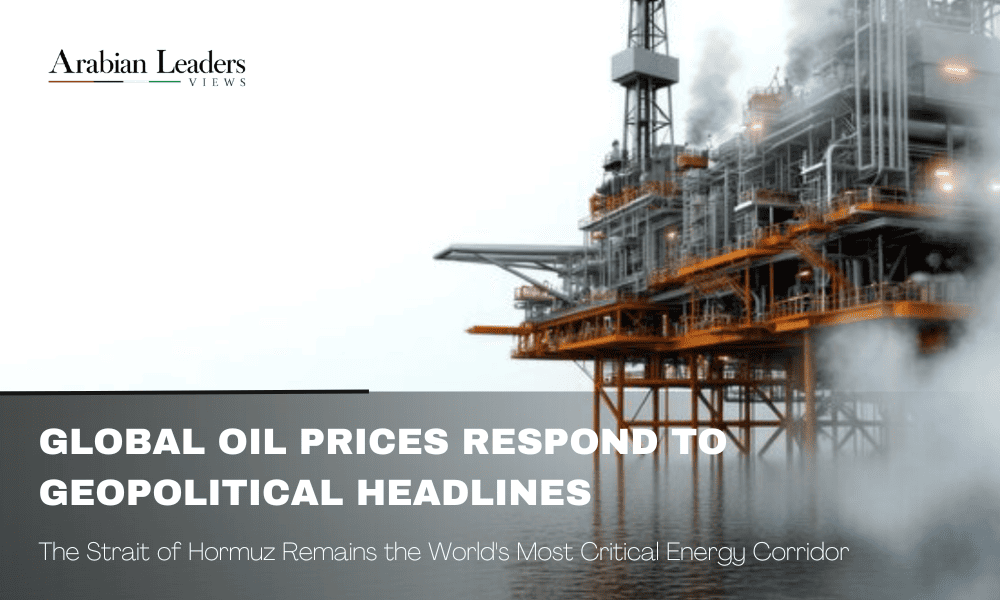
Even as regional security concerns rise, the Middle East oil market remains resilient with crude shipments moving smoothly across the Strait of Hormuz. Despite increased geopolitical tensions, energy producers and transportation corporations have mostly continued operations, highlighting the strategic importance of uninterrupted oil shipments to the global economy. The tiny canal remains one of the world’s most important maritime arteries, transporting approximately one-fifth of global oil consumption each day.
Recent security incidents have drawn international attention to the Strait, pushing governments and shipping companies to beef up monitoring and maritime safety measures. Exporters in the Gulf, on the other hand, have reaffirmed their commitment to meeting international energy obligations without disruption. This steadiness has helped to avert major market volatility, even though traders continue to closely monitor events.
Energy analysts believe Gulf producers have improved their contingency planning over the years, allowing them to respond quickly to developing threats. Strategic petroleum reserves, diverse export routes, and coordinated naval patrols have all helped to boost confidence in the region’s energy infrastructure.
In response to mounting concerns, regional leaders have underlined the importance of ensuring international shipping lanes remain stable. As one Gulf leader said:
“إن أمن الملاحة البحرية مسؤولية مشتركة، واستمرار تدفق الطاقة يخدم استقرار الاقتصاد العالمي.”
Oil prices have experienced temporary fluctuations following reports of regional tensions, yet markets have remained relatively balanced due to steady production levels from major exporters, including Saudi Arabia, the United Arab Emirates, Iraq, Kuwait, and Qatar. These countries continue working closely with international partners to ensure reliable energy supplies while investing heavily in infrastructure that enhances export resilience.
As global demand remains strong across Asia, Europe, and North America, uninterrupted exports from the Gulf continue to play a decisive role in maintaining economic stability. While security risks persist, the commitment of regional producers to safeguard energy shipments reflects the strategic importance of the Middle East in the international energy landscape.
Global Energy Markets Show Resilience
The Strait of Hormuz Remains the World’s Most Critical Energy Corridor
The Strait of Hormuz continues to serve as the backbone of global energy transportation despite renewed security concerns across the Middle East. Connecting the Persian Gulf with the Gulf of Oman and the Arabian Sea, this narrow maritime passage facilitates the movement of millions of barrels of crude oil and refined petroleum products every day. For decades, the Strait has represented not only a strategic shipping route but also a vital pillar supporting global economic stability.
We continue to witness energy producers, shipping operators, insurers, and governments working collectively to preserve uninterrupted maritime trade. Although geopolitical tensions periodically raise concerns among investors and policymakers, commercial shipping activity has largely remained operational, demonstrating the resilience of regional energy infrastructure and international cooperation.
Regional Oil Producers Maintain Stable Export Operations
Major oil-exporting nations including Saudi Arabia, the United Arab Emirates, Iraq, Kuwait, and Qatar continue to fulfill contractual obligations without significant interruption. National energy companies have invested extensively in export terminals, storage facilities, digital monitoring systems, and emergency response capabilities, ensuring operational continuity even during periods of heightened uncertainty.
We recognize that modern energy logistics have evolved significantly over the past decade. Export terminals are now supported by advanced surveillance technologies, satellite tracking, automated cargo scheduling, and close coordination between maritime authorities and international naval forces. These improvements have strengthened confidence among buyers while minimizing the risk of prolonged supply disruptions.
The consistency demonstrated by Gulf producers has reassured major importing economies across Asia, Europe, and North America, where stable energy supplies remain essential for industrial production, transportation, manufacturing, and electricity generation.
Security Challenges Continue Without Halting Global Oil Trade
Recent security developments have increased monitoring throughout regional waters, yet commercial vessels continue navigating established shipping lanes under enhanced protective measures. Maritime security agencies maintain continuous surveillance, while shipping companies carefully assess operational risks before dispatching vessels through the Strait.
We observe that insurance providers, logistics operators, and commodity traders have adapted to these conditions through improved risk management strategies. Rather than suspending operations, stakeholders have implemented additional safeguards that enable international trade to continue while protecting crews, cargo, and critical infrastructure.
This operational resilience reflects years of investment in crisis preparedness, contingency planning, and multinational cooperation focused on safeguarding one of the world’s most strategically important waterways.
Global Oil Prices Respond to Geopolitical Headlines
Financial markets naturally react whenever tensions emerge near major energy corridors. Crude oil prices often experience temporary increases as traders evaluate potential supply risks. However, recent market movements suggest that investors remain confident in the ability of Gulf producers to maintain stable export volumes.
We continue to see commodity markets balancing geopolitical uncertainty with strong production capacity and adequate global inventories. While volatility remains possible during periods of heightened regional tension, sustained supply interruptions have so far been avoided through coordinated efforts between producers and international shipping partners.
Market analysts also note that diversified production from other oil-producing regions provides an additional buffer against temporary disruptions, helping stabilize international energy prices even when geopolitical risks intensify.
International Cooperation Strengthens Maritime Security
Governments across the region continue collaborating with international partners to enhance maritime safety and secure commercial shipping routes. Naval patrols, intelligence sharing, aerial surveillance, and advanced monitoring technologies contribute to maintaining safe navigation through the Strait.
We understand that protecting freedom of navigation extends beyond regional interests. The uninterrupted movement of energy resources directly influences global inflation, industrial productivity, aviation, transportation, and consumer energy costs. Consequently, maintaining secure maritime corridors remains a shared international priority.
Regional leaders have repeatedly emphasized diplomacy alongside security cooperation to reduce tensions while preserving economic stability.
“إن الحفاظ على أمن الممرات البحرية مسؤولية جماعية لضمان استقرار الاقتصاد العالمي وأمن الطاقة.”
“Preserving the security of maritime routes is a collective responsibility to ensure global economic stability and energy security.”
Such statements reinforce the commitment of Gulf nations to balancing regional security with international economic responsibilities.
Energy Infrastructure Investments Increase Export Resilience
Over recent years, Middle Eastern energy producers have invested billions of dollars in strengthening upstream production, pipeline networks, export terminals, storage capacity, and digital infrastructure. These investments provide greater operational flexibility during periods of uncertainty while ensuring continuous delivery to international customers.
We have seen energy companies diversify export options wherever possible, improve emergency response capabilities, and integrate predictive maintenance systems that minimize operational disruptions. Modern infrastructure allows exporters to maintain high efficiency while responding rapidly to evolving security conditions.
These long-term investments have transformed regional energy logistics into one of the most resilient supply networks in the global oil industry.
Global Demand Continues Supporting Middle East Oil Exports
Demand for Middle Eastern crude remains strong across rapidly growing economies. Asian nations continue representing the largest import market, while European countries increasingly seek diversified energy suppliers. North American refiners also rely on specific grades of Gulf crude that remain essential for various refining operations.
We recognize that the Middle East continues occupying a central position within global energy supply chains due to its substantial production capacity, competitive extraction costs, and well-developed export infrastructure. Long-term supply agreements further reinforce stable commercial relationships between Gulf producers and international buyers.
As industrial activity expands and transportation demand increases worldwide, reliable oil exports from the region remain fundamental to sustaining global economic growth.
Future Outlook for Middle East Energy Markets
Despite ongoing geopolitical challenges, the outlook for Middle East oil exports remains broadly stable. Governments continue prioritizing infrastructure resilience, maritime security, diplomatic engagement, and production efficiency while international energy markets demonstrate confidence in the region’s ability to sustain reliable exports.
We expect continued investment in digital technologies, artificial intelligence, predictive logistics, cybersecurity, and maritime coordination to further strengthen regional energy operations. These developments will enhance supply reliability while supporting long-term energy partnerships across global markets.
Although security concerns surrounding the Strait of Hormuz will continue attracting international attention, the consistent performance of Gulf exporters highlights their commitment to maintaining uninterrupted energy supplies. The resilience demonstrated by regional producers, combined with coordinated international cooperation, positions the Middle East to remain an indispensable pillar of the global energy system for years to come.
Our Views
The continuing flow of Middle Eastern oil exports despite security threats in the Strait of Hormuz demonstrates the robustness of regional energy infrastructure, international maritime collaboration, and Gulf producers’ commitment to global energy stability. While geopolitical developments are closely observed, uninterrupted shipments continue to sustain global economic growth, bolstering the Middle East’s long-standing position as the world’s major energy center.